Static Cupping
STATIC CUPPING
Unlimited dry cups
45 min
£55
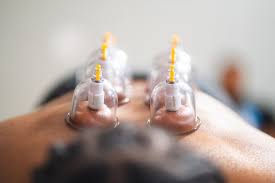
Beginning with a massage of the area to be dry cupped using 100% natural massage oils, cups are then placed on the skin with a vacuum and left on for a period of time before being removed. This encourages blood flow and oxygen to the region and relieve pain and inflammation.
Static cupping is a targeted therapeutic technique used to reduce muscular tension, improve circulation, and support soft‑tissue recovery. Unlike gliding or dynamic cupping methods, static cupping involves placing cups in specific locations and allowing them to remain in place for a set period. This focused approach allows for deeper decompression of restricted tissues and improved local blood flow.
How Static Cupping Works
During static cupping, specialised cups are positioned on areas of tension or restricted mobility. Gentle suction creates negative pressure, which lifts the underlying tissues and encourages:
-
Increased circulation to the targeted area
-
Reduction of muscular tightness
-
Improved lymphatic drainage
-
Release of fascial restrictions
-
Enhanced tissue recovery
The cups remain stationary, allowing the tissues beneath to soften and respond to the decompression.
Clinical Benefits
Static cupping may be used to support treatment of:
-
Chronic muscular tightness
-
Localised pain or trigger points
-
Neck, shoulder, and back tension
-
Postural strain
-
Sports‑related overuse
-
Reduced mobility in specific areas
What to Expect During Treatment
Static cupping is generally comfortable. You may feel a firm but relieving pulling sensation as the tissue lifts. Cups typically remain in place for a few to several minutes, depending on your presentation and treatment goals. Pressure is always adjusted to your comfort level.
Skin Marks and Safety
Static cupping can leave temporary circular marks. These are not bruises; they are a normal response to increased circulation and typically fade within a few days. The technique is considered safe when performed by a trained practitioner and is adapted to your health history and tissue sensitivity.